A Quiet Life with a border collie
February 2, 2026
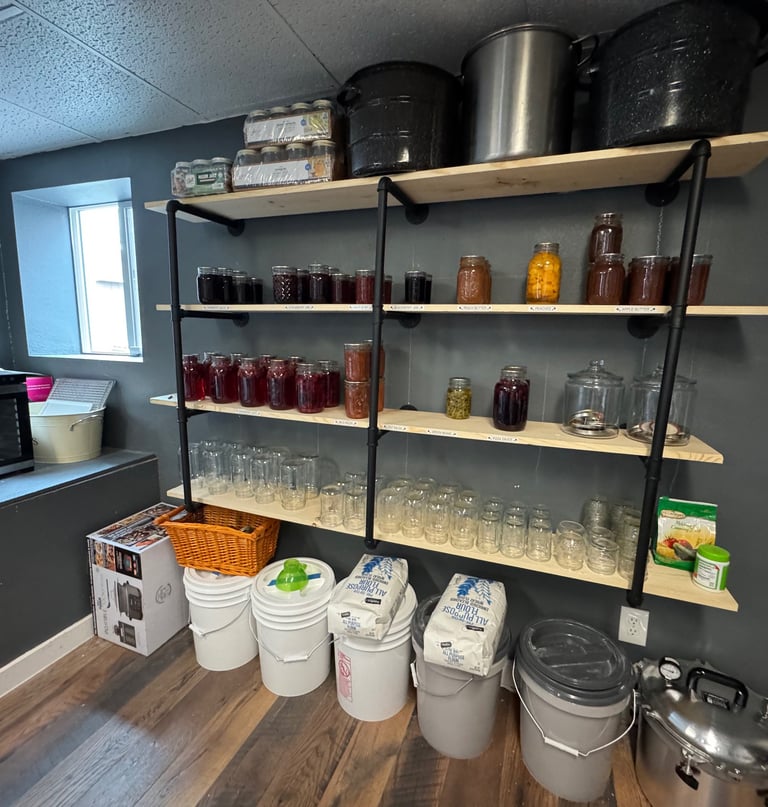
This year, I truly want to become a bit more self-sufficient. Being self-sufficient begins with small steps like gardening, preserving, and building skills and one way to achieve that is through canning and preserving.
Learn to can, dry, or ferment food during the harvest seasons to ensure a supply year-round. You don’t need to have a garden; you can shop at a farmers market or even the grocery store. If you can visit a farmers market, that’s preferable to a grocery store, as the vegetables will be fresher.
You also don’t have to purchase expensive jars; you can likely find them at a thrift store. You should buy new lids, but they are relatively inexpensive on Amazon.
Regarding a canner, whether you choose a water bath or pressure canner, you can find them on Amazon. I actually found a new water bath canner at a thrift store, so you might want to keep an eye out. If you’re new to canning, there are plenty of recipes available online. I got the Ball recipe book when I first started. The book is quite easy to follow. It includes recipes for both water bath and pressure canning. I initially started by making jam with the water bath, then I moved on to making cranberry juice (one of my favorites), and from there, every so often, I would attempt to create something new. It wasn't until my third year of canning that I got a pressure canner, which truly expanded the variety of things I could can, from soups and stews to green beans and much more.
I just created this new space in my basement to store all my canning supplies. Not only my canning materials, but I also have all my 5-gallon buckets that hold flour, rice, oats, sugar, and more. It’s nice to have a designated area to keep everything organized and easy for me to find what I need. The basement is cooler than the rest of my house, which is good for preserving all the items.
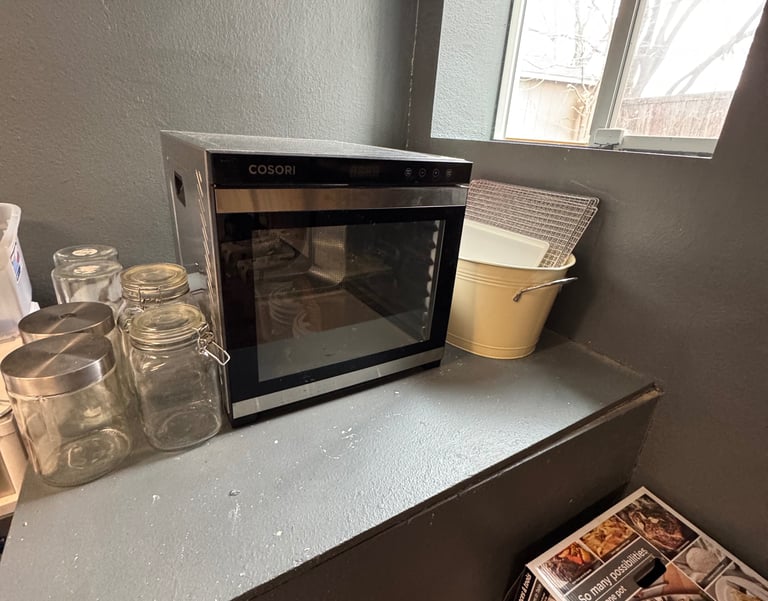
I purchased a dehydrator a few years back, and I enjoy making dried fruit with it. I particularly like drying strawberries and bananas, but pears are my top choice.
Dehydrators provide advantages such as prolonging food storage, saving money, and healthier snacks by extracting moisture to prevent spoilage while keeping most nutrients, flavor, and fiber, making them ideal for year-round access to produce. Low-heat drying retains most vitamins, minerals, enzymes, and antioxidants.
When stored correctly, dehydrated foods can last for an extended period.
They are more energy-efficient than ovens and allow you to manage ingredients, helping you steer clear of added sugars and additives commonly found in many commercially available products.
I intend to take you all on a comprehensive journey into canning starting this spring. I am excited about the upcoming farmers market opening in spring. Additionally, I’m committed to planning my garden effectively. I aim to make the most of the outdoor space available. I have planned to create my own potato sacks using dry dog food bags. I am eager to grow vegetables from seeds and share the experience with all of you.
I appreciate you taking the time to read my thoughts.
Reach out to us